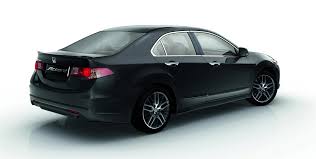
My wife just got a job at SMU, and was able to nab a coveted (by me) DART pass for a discounted rate. With that in mind, we’ve had several friends who I envy that have officially gone car free, and wanted to do the breakdown to see how much we’d save by also making the leap. We started by taking the most popular commuter bicycle noted on recent blogs, a Raleigh Detour Deluxe with DART Pass, and compared it to one of the most popular vehicles, a 2009 Honda Accord. We used best estimates for our numbers, but stuck with a conservative take in most scenarios that reflected our general trends in transit. The cost breakdown is for one year of ownership. Other variables such as depreciation, major repairs on the car side, and purchase of panniers or other cargo holders on the bike side were not accounted for. Since we live in an urban environment and are half a mile from a grocery store, and a 15 minute bicycle ride from restaurants, art galleries, museums, farmers markets, etc., a switch would be less difficult than for someone living in a suburban setting, so your mileage may vary. I also tried to account for the random occasions where a car rental/taxi would be necessitated (large purchases, distant isolated locations, or road trips). For this case scenario, we’re primarily looking at a first year of ownership only, and went with a 60 month loan w/no money down (as that would inflate the first year’s numbers):
|
|
|
|
Raleigh Detour Deluxe Price: $749 |
2009 Honda Accord (per month): $430 |
|
DART System Pass (per month): $75 |
Insurance (per month): $60 |
|
Basic Maintenance (replaced tubes,etc. per year): $100 |
Gas (per month): $80 |
|
Car Rental/Taxi (per year): $500 |
Tolls (per month): $20 |
|
Parking (per month): $50 |
|
|
Maintenance (oil, fluids, etc. / year): $80 |
|
|
Registration: $55 |
|
|
Inspection: $25 |
|
|
|
|
|
First Year Total: $2,249 |
First Year Total: $7,840 |


Now I can’t account for all scenarios, and my inspection could be off a bit, but I’m still looking at a savings of roughly $5,500 a year. Leasing a car or buying used could drop the number more, and you could argue that time is money so the greater savings occurs on the convenience side. This is fair, though I would note that for trips with greater distances, using public transit allows for laptop work while commuting, so travel could actually account for work time. Of course, the bicycle is a one time cost, so add $750 to your bottom line each year after. Maintenance may increase with time, though the maintenance of a car would be much greater given tire rotations, 10,000 mile maintenance checks, and more.
So what all could you do with the extra $5,500 a year? Let’s see, well you could visit Paris for a week and have enough left over to make a couple of weekend stops to New York. Since you’d be less apt to take trips with long commutes due to the inconvenience, you’d buy more locally produced goods, and services, so your community would appreciate the change. Obviously, your health would increase greatly by doing away with the typical hour spent sitting. Road rage? Well, that goes away, so I guess stress is relieved, though missing your bus/train might equal this out.

 Bike Friendly Oak Cliff
DART rage can be bad at times but not nearly bad as being stuck in traffic.
FYI, most people probably don’t need the Premium level DART pass. Buy yourself an Annual Pass and save even more.
http://www.dart.org/fares/annualpass.asp
Of course, the lion’s share of the savings comes from NOT having the car around.
Hannibal inadvertently hit upon truth. I have found that when transfers are needed, my bike is invariably quicker. It is why I use my own “T” Pass almost exclusively for express runs on the TRE.
BTW, my own pass only cost $45 per YEAR so look to see if your employers offer a better deal.
A bit more on the quicker statement. Using the DART planner, I find that the quickest combo from PTP is invariably to ride to a pickup point, take transit, and then ride to the final destination. Unless, of course, it’s just quicker to ride the whole way.
I was a much more relaxed person when I lived a car-free life. Even the limited amount I use it now effects me, between the money it takes and the stress of staying alert to Dallas’ terrible drivers.
To all:
I’ve removed all negative comments and conversations they spawned here, since it was neither helpful or insightful to the article.
Everyone please be respectful.